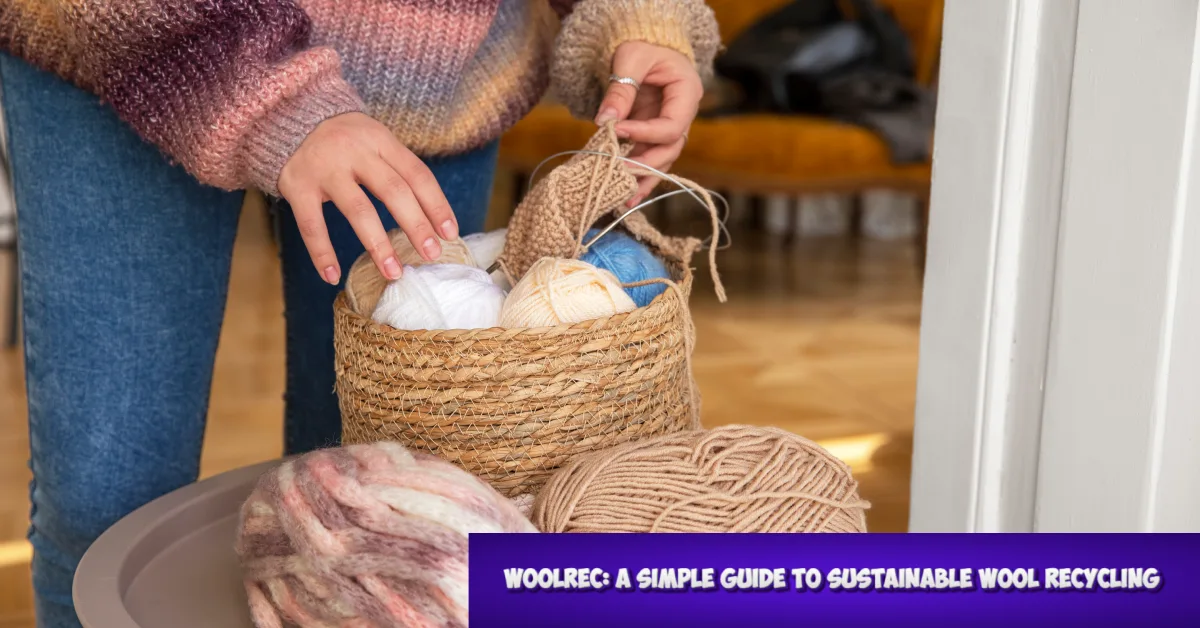
Woolrec is a modern way of recycling wool so old garments and fabric scraps don’t end up in landfills. It focuses on turning waste wool into new, useful products for fashion, home, and industry while lowering the impact on the environment.
What Is Woolrec?
Woolrec refers to systems and companies that collect, recycle, and reuse wool fibers instead of throwing them away. In 2025, the term is widely used for projects and brands that keep wool in use longer through repair, recycling, and upcycling. This idea supports a circular economy, where materials stay in a loop of use, reuse, and recovery.
Why Woolrec Matters in 2025
The textile industry produces millions of tons of waste each year, and a big part of that waste comes from clothing and home textiles. Woolrec helps cut this waste by collecting wool garments, offcuts, and yarns and turning them into new fibers and products. As more people care about climate change and pollution, demand for recycled and responsibly sourced wool continues to rise.
How the Woolrec Process Works
The wool recycling process usually follows a few clear steps.
Collection: Old wool clothes, factory scraps, and leftover yarns are gathered from brands, donation centers, and consumers.
Sorting: Workers or automated systems sort items by fiber type, color, and quality to get the best possible output.
Cleaning: The wool is carefully washed to remove dirt, oils, and other impurities while protecting the fibers.
Processing: Clean wool is opened, blended, and re-spun into yarn or turned into nonwoven materials like felt and insulation.
Reuse: The recycled wool becomes fabric, garments, accessories, rugs, or technical products such as sound and thermal insulation.
This loop can repeat several times, which means the same wool fibers may live through many product cycles before they finally break down.
Key Benefits of Woolrec
Woolrec offers clear advantages for the planet, brands, and everyday shoppers.
Environmental: Recycled wool reduces textile waste, saves water and energy, and lowers greenhouse gas emissions compared to producing new wool.
Economic: Brands can cut raw material costs by blending recycled wool with new fibers while still meeting quality needs.
Social: Woolrec projects often support local jobs in sorting, processing, and design, especially in regions with strong textile traditions.
Consumer trust: Clear labeling and sustainability certifications make it easier for shoppers to choose better products.
Woolrec in Fashion and Lifestyle
In fashion, designers use recycled wool to create coats, sweaters, scarves, and hats that feel soft and warm but carry a smaller footprint. Many brands now include recycled content in their collections and share details about it on product pages and labels. At home, recycled wool shows up in blankets, cushions, carpets, and wall panels that improve comfort and insulation.
Some companies share stories about how a garment started as waste wool and was transformed into a new piece. This storytelling helps people understand the value of recycling and encourages them to buy less but better.
Woolrec and the Circular Economy
Woolrec fits directly into the circular economy model, where products are designed to last longer and materials are recovered whenever possible. Instead of the old “take–make–dispose” pattern, wool moves through a loop of use, repair, resale, and recycling. When brands design garments with pure wool or easy-to-recycle blends, it becomes simpler to recycle those items through Woolrec systems later.
Policies in Europe and other regions are also pushing textiles toward more recycling and producer responsibility. This makes Woolrec-style solutions more important for brands that want to follow new rules and keep their reputation strong.
Common Challenges in Woolrec
Even with its benefits, Woolrec faces real challenges.
Fiber quality: Each time wool is mechanically recycled, some fibers get shorter, which can affect strength and softness.
Blends: Many garments mix wool with synthetics like polyester or acrylic, which makes clean separation and recycling harder.
Contamination: Zippers, buttons, labels, and mixed colors must be removed or managed, adding time and cost to the process.
Scaling up: Building large, efficient recycling plants and collection systems requires major investment and long-term planning.
New technologies, such as advanced sorting and gentler recycling machinery, are helping solve some of these problems.
How You Can Support Woolrec
Everyday choices play a big role in how fast Woolrec grows.
Choose products made with recycled wool or clearly labeled sustainable wool.
Take care of your wool garments so they last longer and don’t need to be replaced as often.
Donate or return wool items to collection programs instead of throwing them in the trash.
Look for brands that explain how they work with wool recycling partners and share impact numbers.
When more people support these efforts, brands have a stronger reason to invest in Woolrec systems and technologies.
Quick Facts About Woolrec
| Topic | Key Point |
|---|---|
| Definition | Woolrec focuses on recycling and reusing wool fibers from old garments and production scraps. |
| Main goal | Keep wool out of landfills and in use for as long as possible. |
| Common products | Coats, sweaters, scarves, blankets, carpets, and insulation materials. |
| Environmental benefit | Lower waste, reduced carbon footprint, and less pressure on wool production. |
| Key challenge | Handling mixed fibers and keeping recycled wool strong and soft. |
People Also Ask About Woolrec
Is woolrec better than synthetic fabrics?
Recycled wool has a lower impact than many synthetic fibers because it is natural, breathable, and biodegradable, and recycling gives it a second life. Synthetics often shed microplastics and depend on fossil fuels, while woolrec relies on existing material already in circulation.
Can recycled wool be as good as new wool?
High-quality recycling processes can produce wool that feels and performs very close to virgin wool, especially when blended carefully. Many brands now use recycled wool in premium products without sacrificing comfort or durability.
How do I know if a product uses woolrec?
Check product descriptions, tags, and brand sustainability pages for phrases like “recycled wool,” “responsibly sourced wool,” or details about textile recycling partners. Some companies also share certifications or third‑party labels that verify recycled content.
Simple How-To: Start Using Woolrec Products
Check your closet and note which items you’d replace in the next year.
When you shop, search for garments that mention recycled wool or sustainable wool in the description.
Compare care labels and choose items you can easily wash, air dry, and store so they last longer.
Instead of throwing old wool items away, bring them to textile collection points or brand take-back programs.
These small steps make it easier to shift your wardrobe toward more sustainable choices linked to Woolrec-style recycling.